

Every autonomous system is briefed before it launches. But conditions in the field rarely unfold as anticipated.
When something appears that the brief did not cover, a fielded system today has two options. Ask a human, over a link that may not be there. Or carry on as though nothing changed. Neither is a good answer at the moment it matters.
Recognition is not bounded by the set of categories somebody chose before the mission started.
What the system looks for, and what it does about what it finds, can change while it is deployed. No trip home. No link back to anyone.
The analysis happens onboard, so the mission continues at the same tempo whether or not an operator is reachable.
What the system may and may not do is set before the mission and checked by the machine, not by a person watching a screen.
TrustARC doesn’t fly the platform, replace your perception stack, or compete with your command system.
It sits between what the platform sees and what it’s allowed to do. The flying, the sensing and the command picture stay where they are.
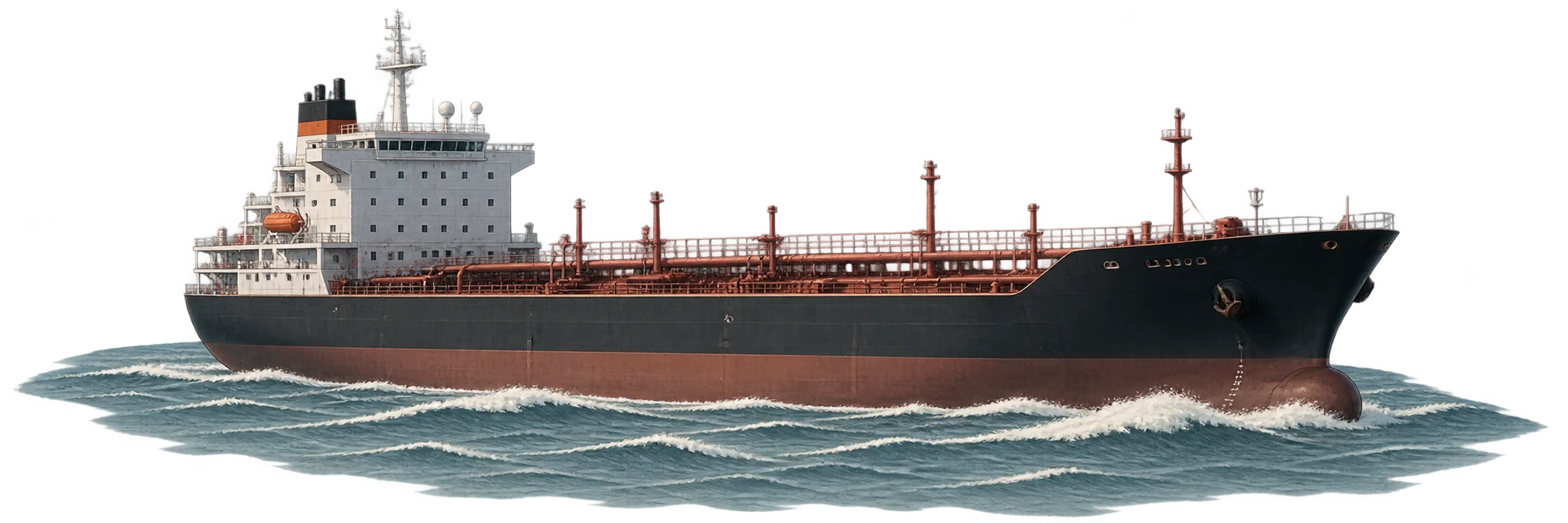
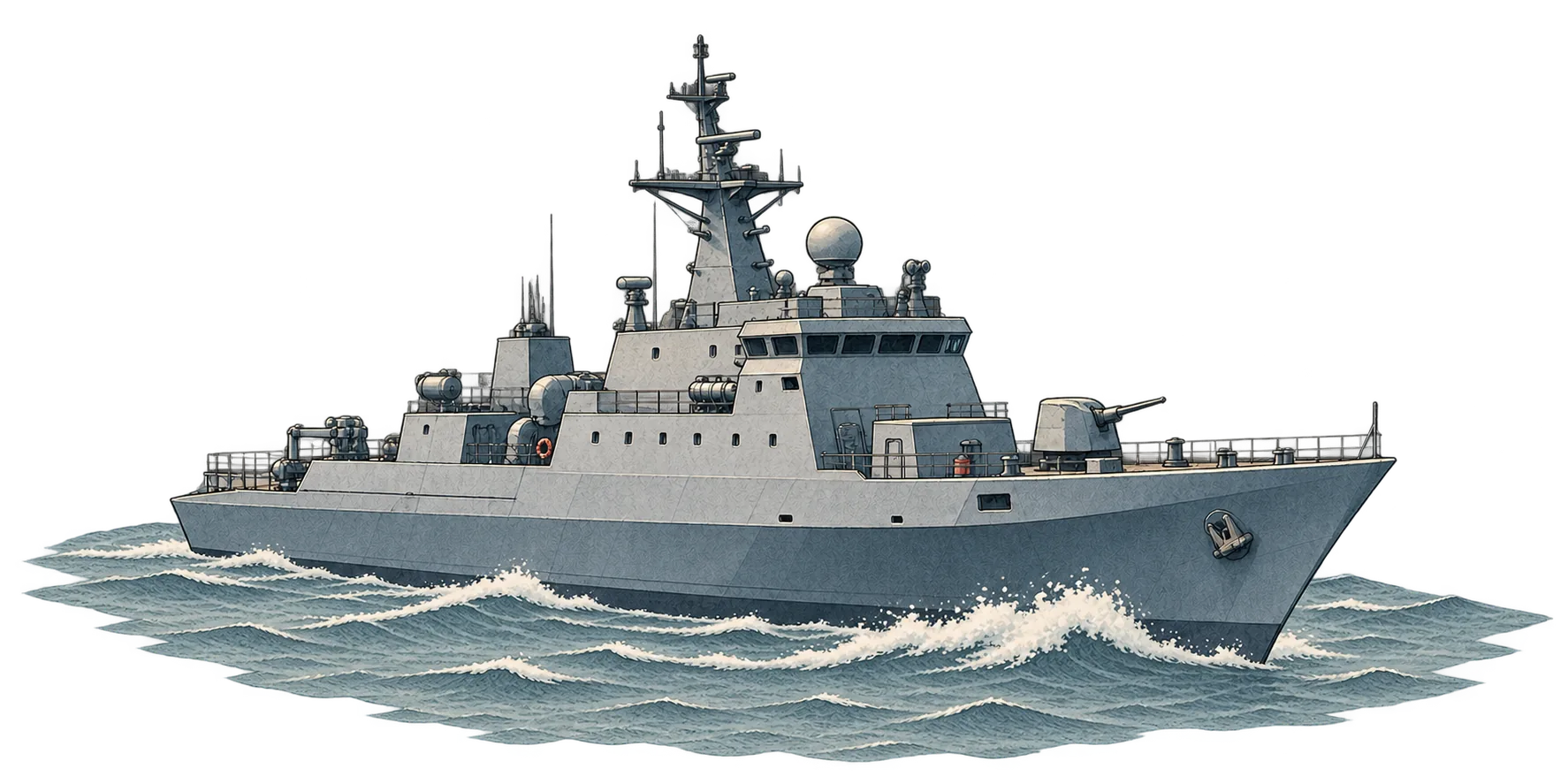
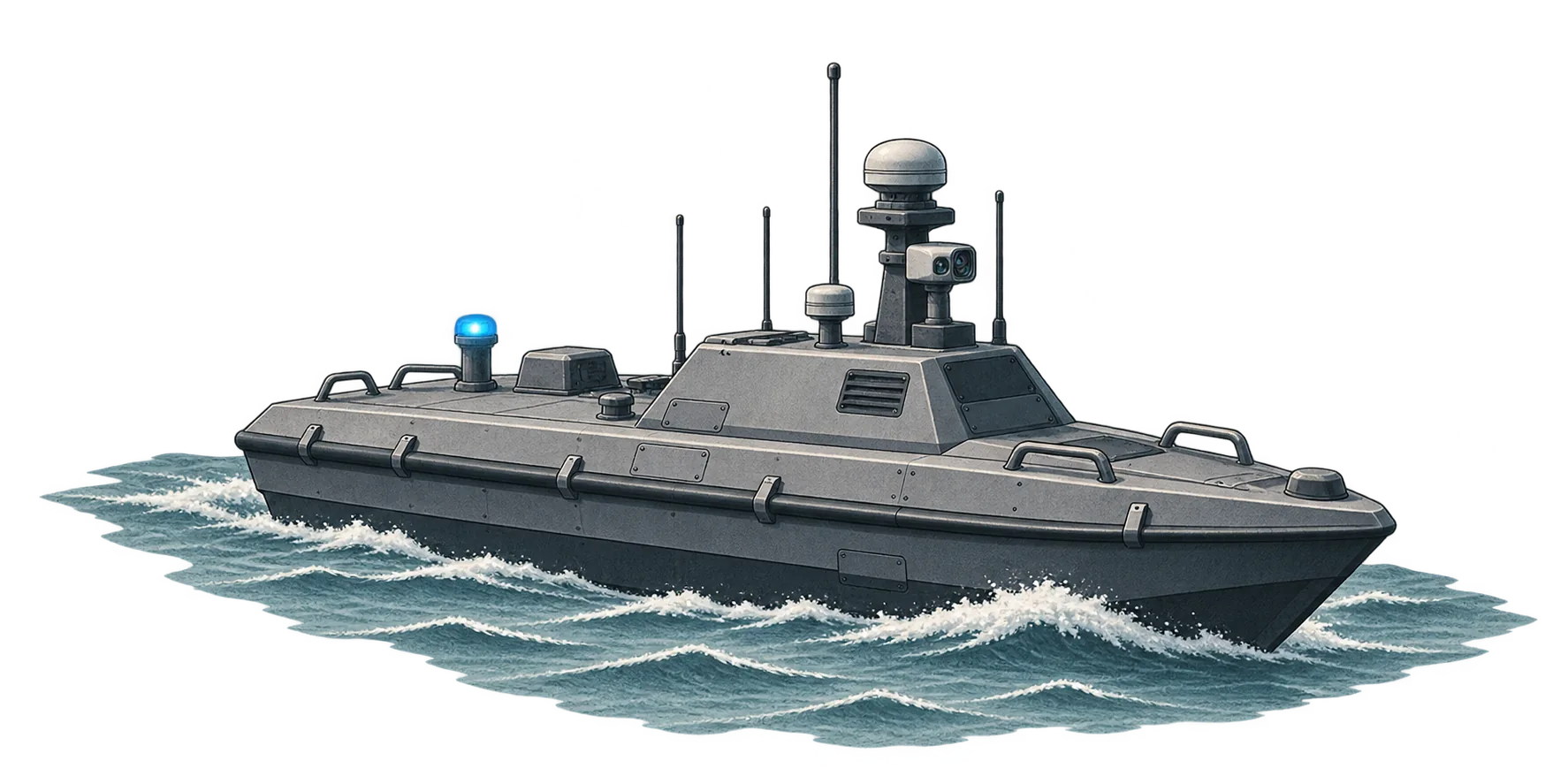
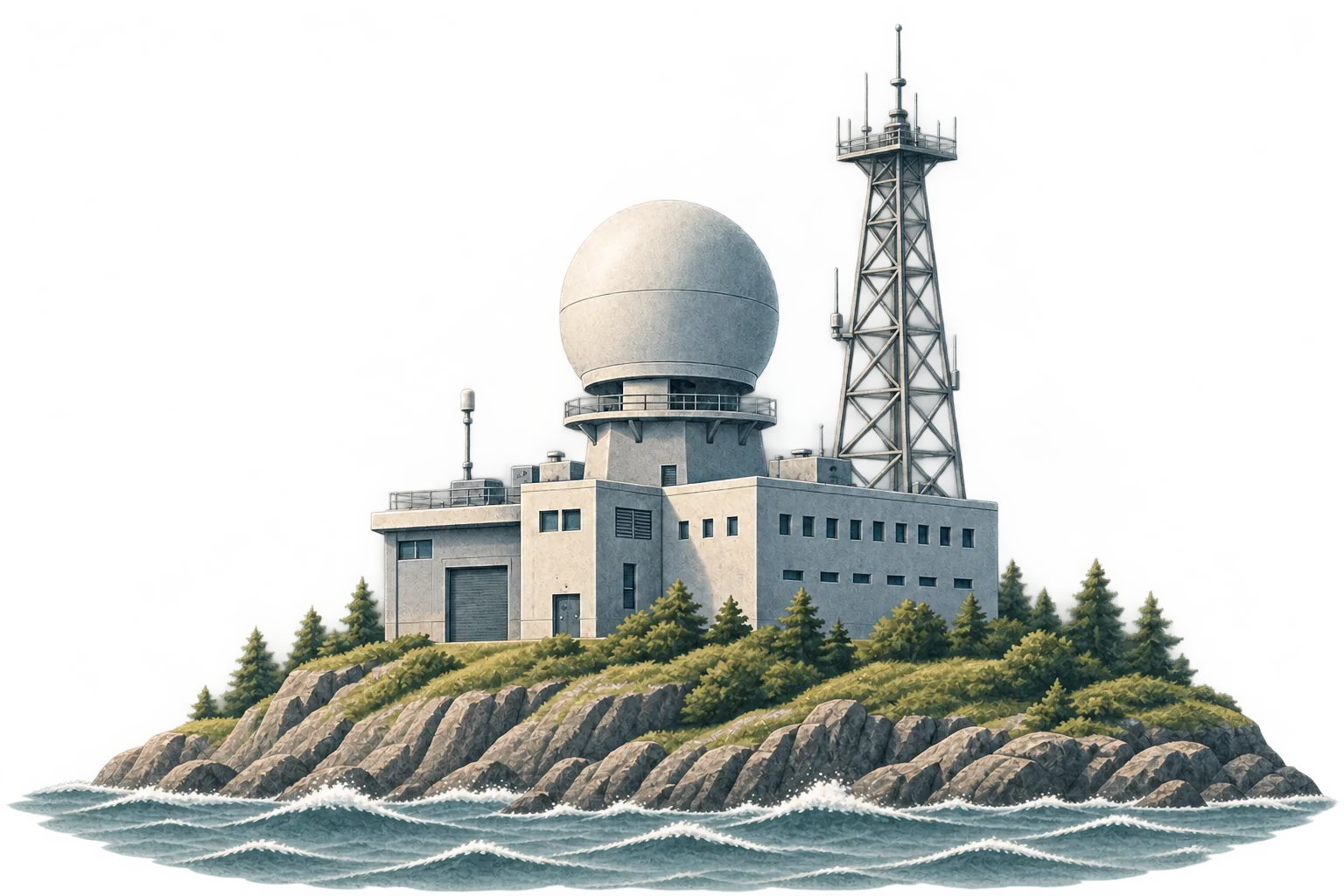
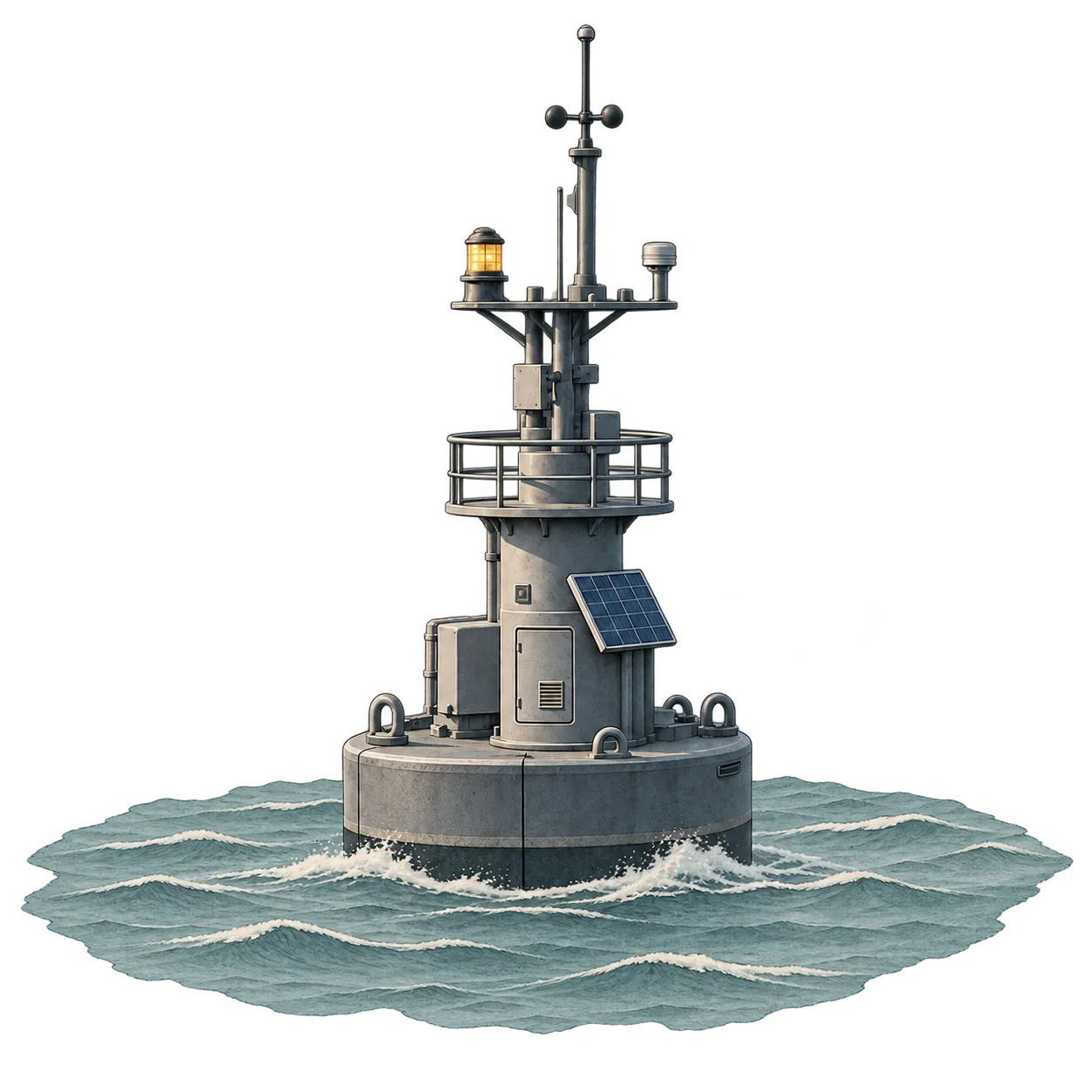
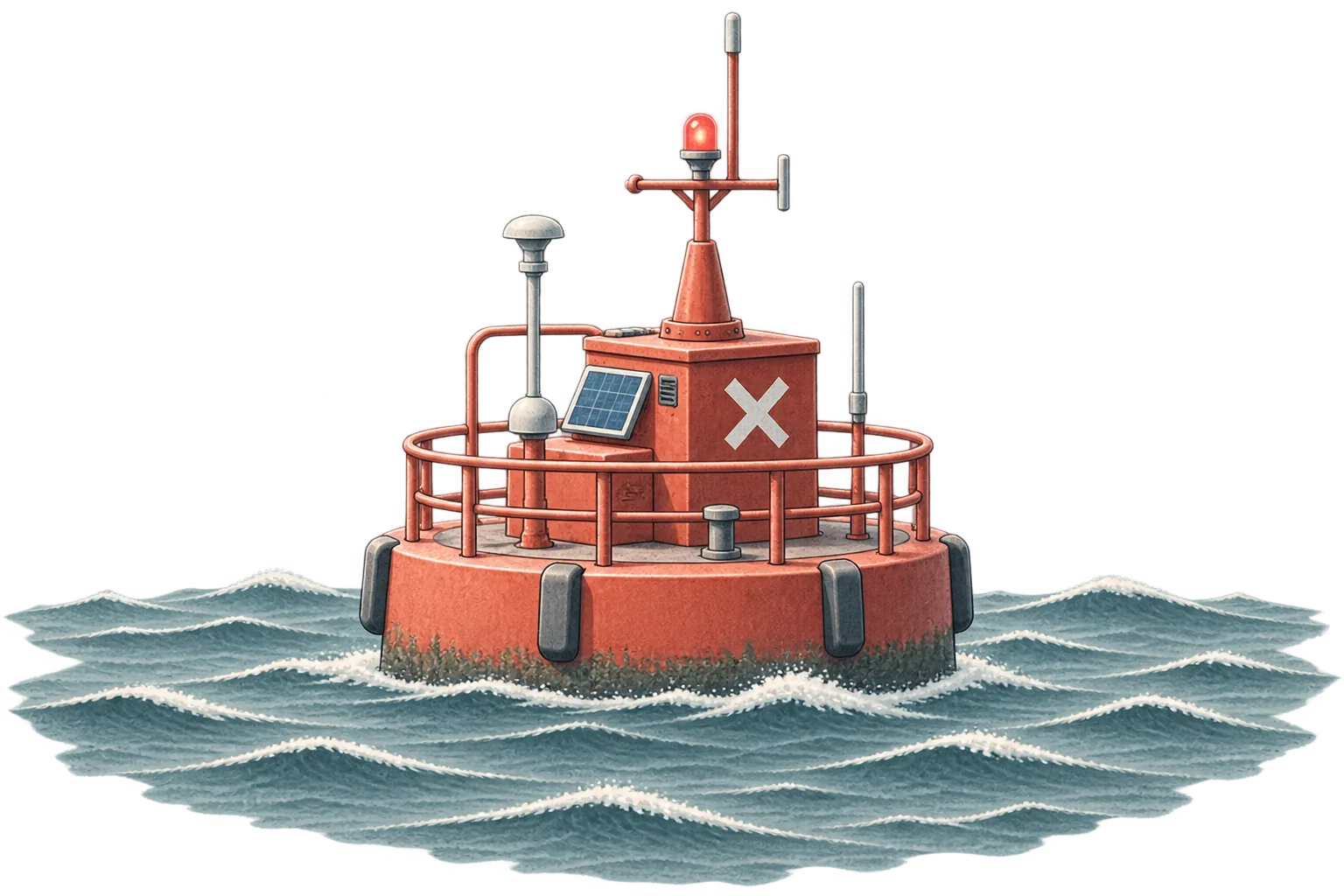
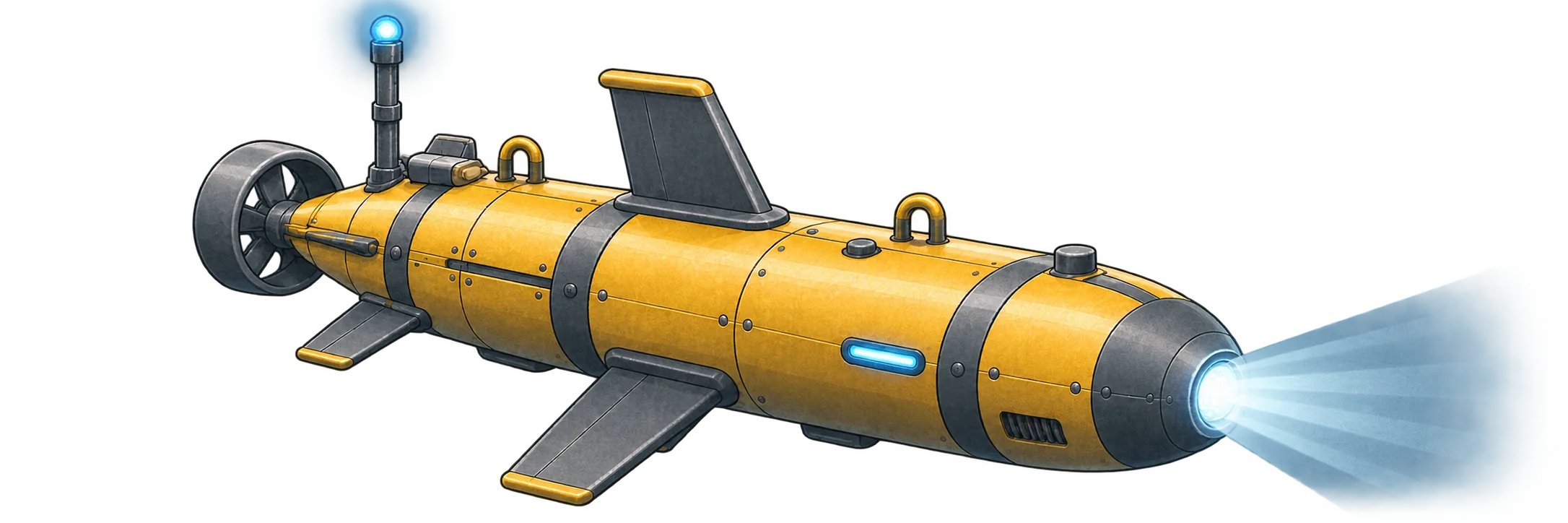
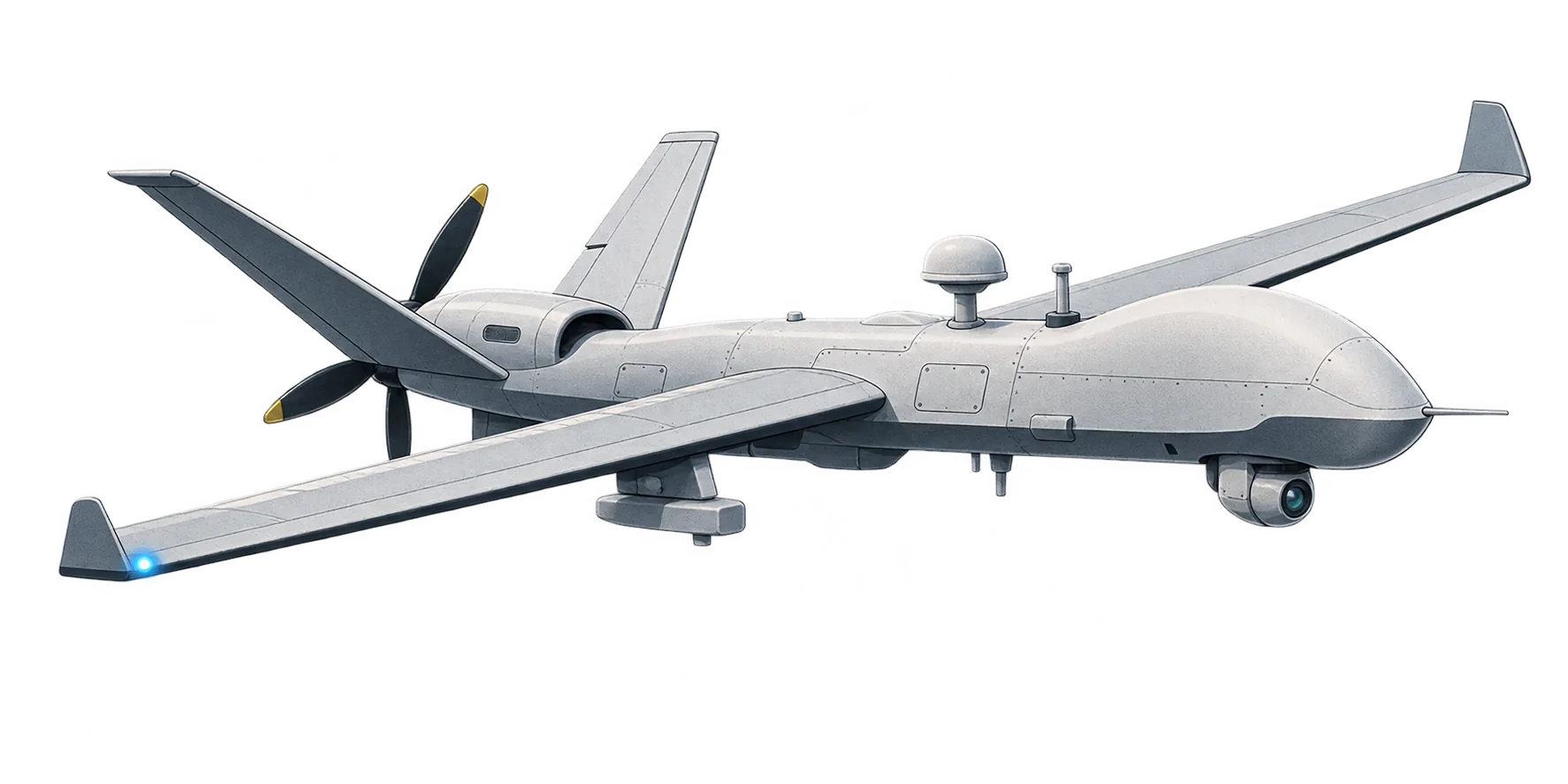
Crewed and uncrewed. A single platform, or a mixed formation working one objective.
If it carries sensors and a compute budget, it is in scope. Built for the power and thermal budget already onboard, not for a rack in a container.